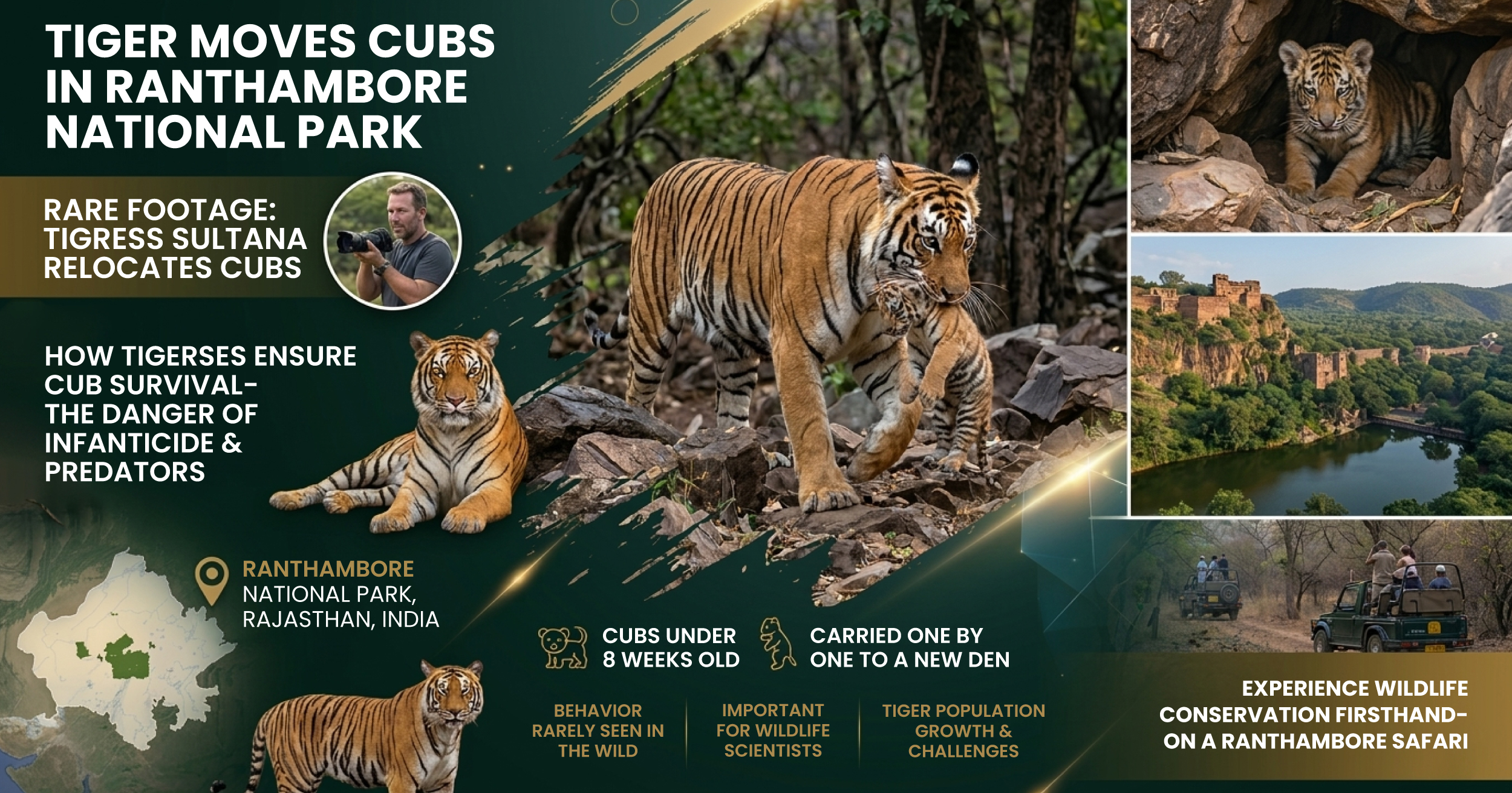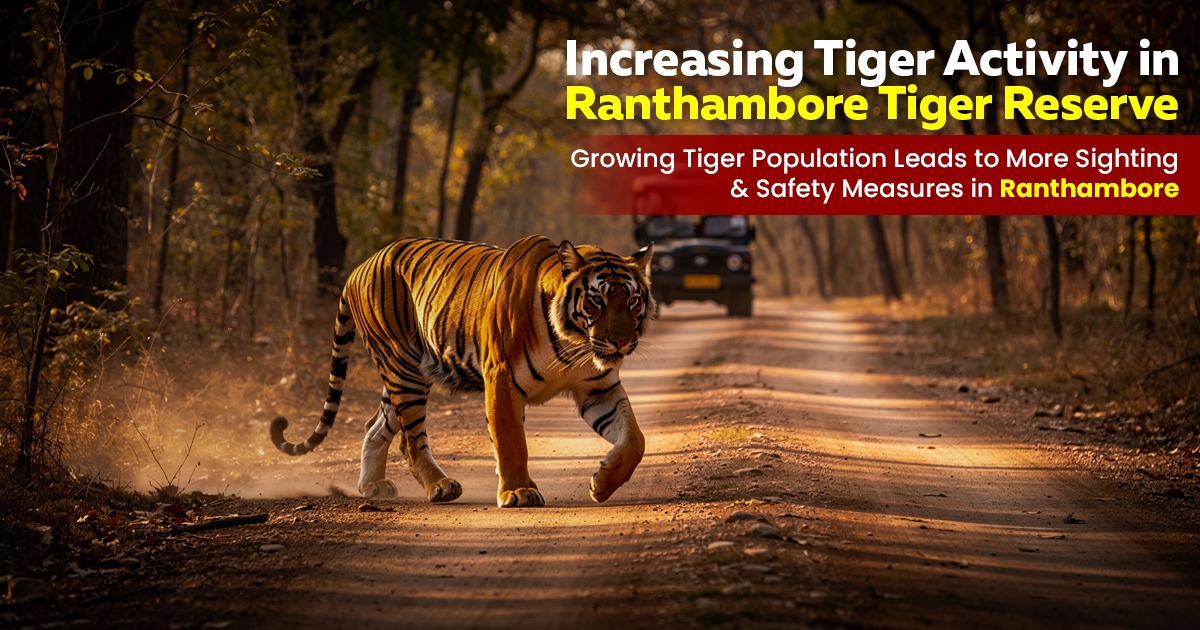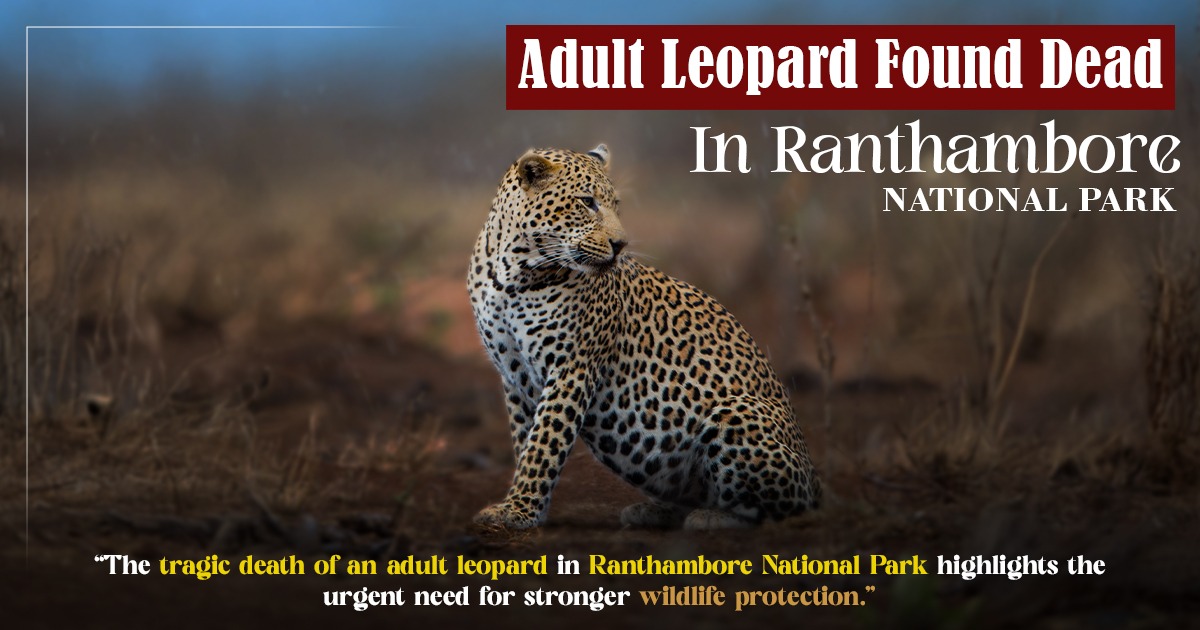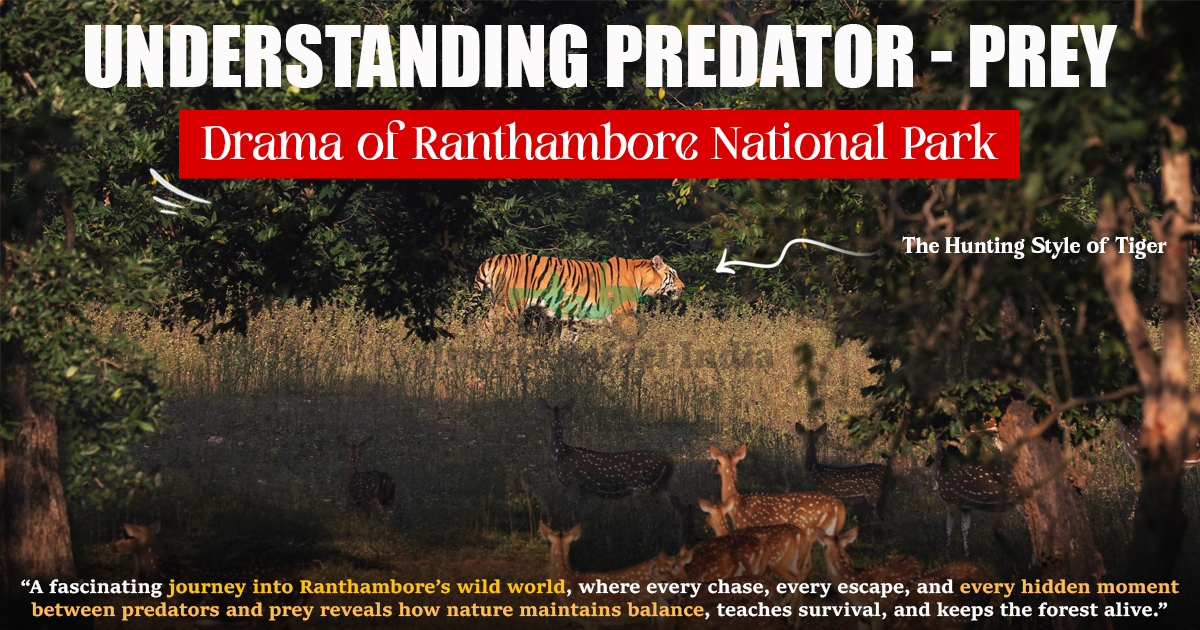
Ranthambore National Park is a widely known wildlife sanctuary in India. It is located in the Sawai Madhopur district of the state of Rajasthan. The park is widely known for its tigers. It also consists of dry forests, lakes, and a fort named Ranthambore Fort in the forest. The park is a protected zone for many plant and animal species. Due to the presence of so many different forms of life, the park is of great significance to the environment of India.
It helps in the conservation of various forms of wildlife and maintains the balance of nature in the area. Many people visit the park by taking Ranthambore tour packages. In 2026, new regulations for the conservation of the forest began. These regulations include changes in the management of the park, tough regulations for safaris, training for locals, and improved ways of observing the wildlife.
New DFO Appointment In Ranthambore National Park
In November 2025, the Government of Rajasthan released a big list of transfers for forest officers. Because of this, Manas Singh, who was working in Bharatpur before, was moved to Sawai Madhopur. He got the new posting as Divisional Forest Officer (DFO) of Ranthambore National Park. By February 2026, he had completely joined the new posting and was busy taking care of the protection work inside the park.
His new posting’s primary objectives are to make the ecology stronger and ensure strong forest safety. The watching system has been made better to find and stop illegal activities like poaching and cutting trees. The forest protection teams have been told to work together better. Regular meetings are held with the forest staff to make sure they share information and can act fast on any problem. Local people are also now a big part of the protection plans. The focus is on creating a balanced environment along with strong safety rules inside Ranthambore National Park. The officers are working in a planned and strict way to improve safety standards.
Training Program For EDC Members And SHGs
In February 2026, a training camp was organized under the guidance of DFO Manas Singh. The main aim was to get the local community more involved in protecting the area around Ranthambore National Park. The people who attended included members from Eco Development Committees (EDCs), women from Self Help Groups (SHGs), and young people. This helped spread awareness about protection in the nearby villages.
- The first focus was on forest safety at the village level. The participants were taught how to keep the forest borders safe and how to tell the forest department about anything suspicious, without any delay.
- The second focus was on stopping people from cutting trees illegally. The villagers were trained to notice signs of illegal cutting and to inform the officers safely and quickly. Watching by the community was encouraged to reduce damage to the forest.
- The third focus was on active participation by the local people. The training made it clear that the community is very important for protecting the forest and animals, and not just watchers from far away.
- The fourth focus was on reducing fights between humans and animals. The training covered how tigers behave and move, so people can avoid meeting them near the villages.
- The fifth focus connected protection with ways to earn money. It showed that protecting the forest can also create jobs for local families.
Employment And Eco-Tourism Development
In 2026, Ranthambore National Park is connecting protection work with jobs for local people. The forest department has said it wants to combine animal protection with work for locals. They ask Self Help Groups and young people to take part in eco-tourism activities.
The park authorities train young people to work as guides in safari areas and nearby zones. This gives them jobs and also makes sure tourists get correct information about the animals, the park rules, and the protection work. The officials encourage Women’s Self Help Groups to make and sell handicrafts. This gives extra money for their families & reduces the need to use forest resources.
The villagers are also helping in running nurseries & growing plants. The nurseries give small plants for planting in the forests & provide a steady income for the villagers. The villagers grow trees and then plant them later inside the park. These steps have helped in improving both the protection of nature & the local economy. So, guides & these services have made Ranthambore tour packages better.
Mobile Phone Ban In The Core Safari Area
Between January and February 2026, forest authorities introduced a new rule in Ranthambore National Park. They banned mobile phone use during safari rides inside the sensitive core area to ensure safety and proper wildlife observation.
This rule applies to all tourists, guides, & drivers during the whole safari inside the core area. The main reason for this rule is to reduce noise. Ringing phones, alarms, & calls create noise that can disturb the animals.
The ban also helps in keeping the natural behavior of the animals intact. When the safari area is quiet, the animals can move & act naturally without feeling stressed. Forest officials told safari monitoring teams to strictly enforce this ban. The drivers & guides are responsible for making sure tourists follow the rules. The ban on mobile phones is part of a larger plan to ensure tourism does not harm the environment of Ranthambore National Park.
Cheetah Movement & Monitoring Alert
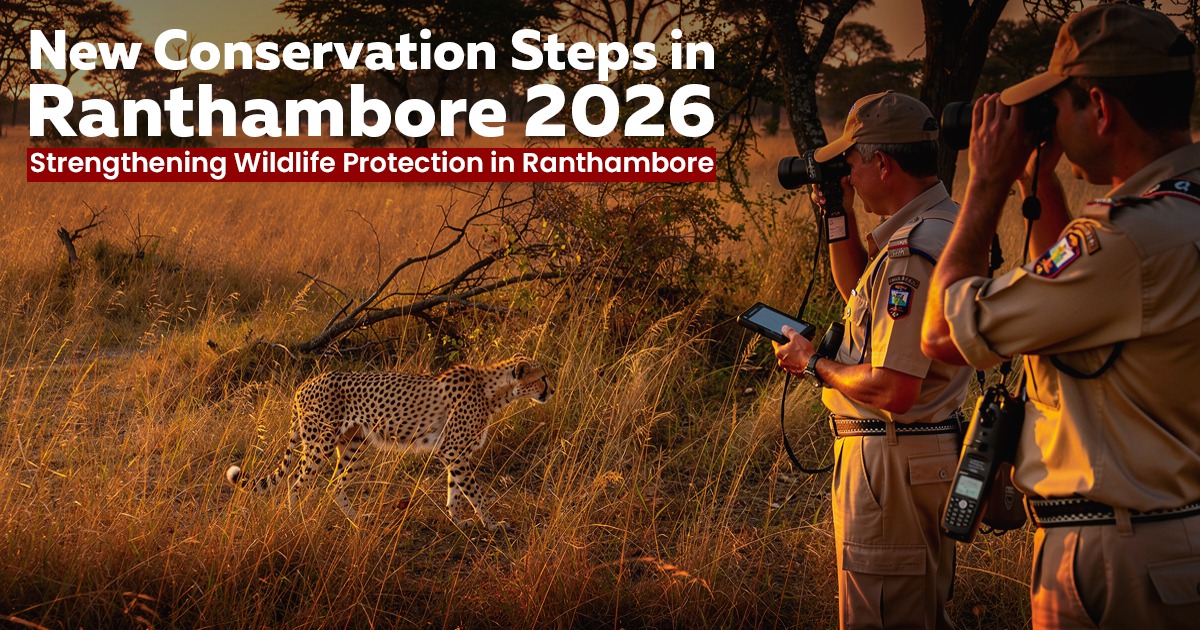
In February 2026, forest officers moved a cheetah named KP-2 from Kuno National Park to an area near the Rajasthan border. Different forest departments worked together and started immediate tracking. Officers from Sawai Madhopur and Baran districts increased patrolling in border areas and improved the tracking system to closely follow the cheetah’s movement.
The whole process was led by DFO Manas Singh. The main aim was to keep the nearby villages safe. The cheetah’s health was also very important. The wildlife teams searched the area for a good place to keep the cheetah for some time. Forest officers asked local people to inform them if they saw the cheetah. This quick action shows that Ranthambore National Park has a good system for watching wildlife.