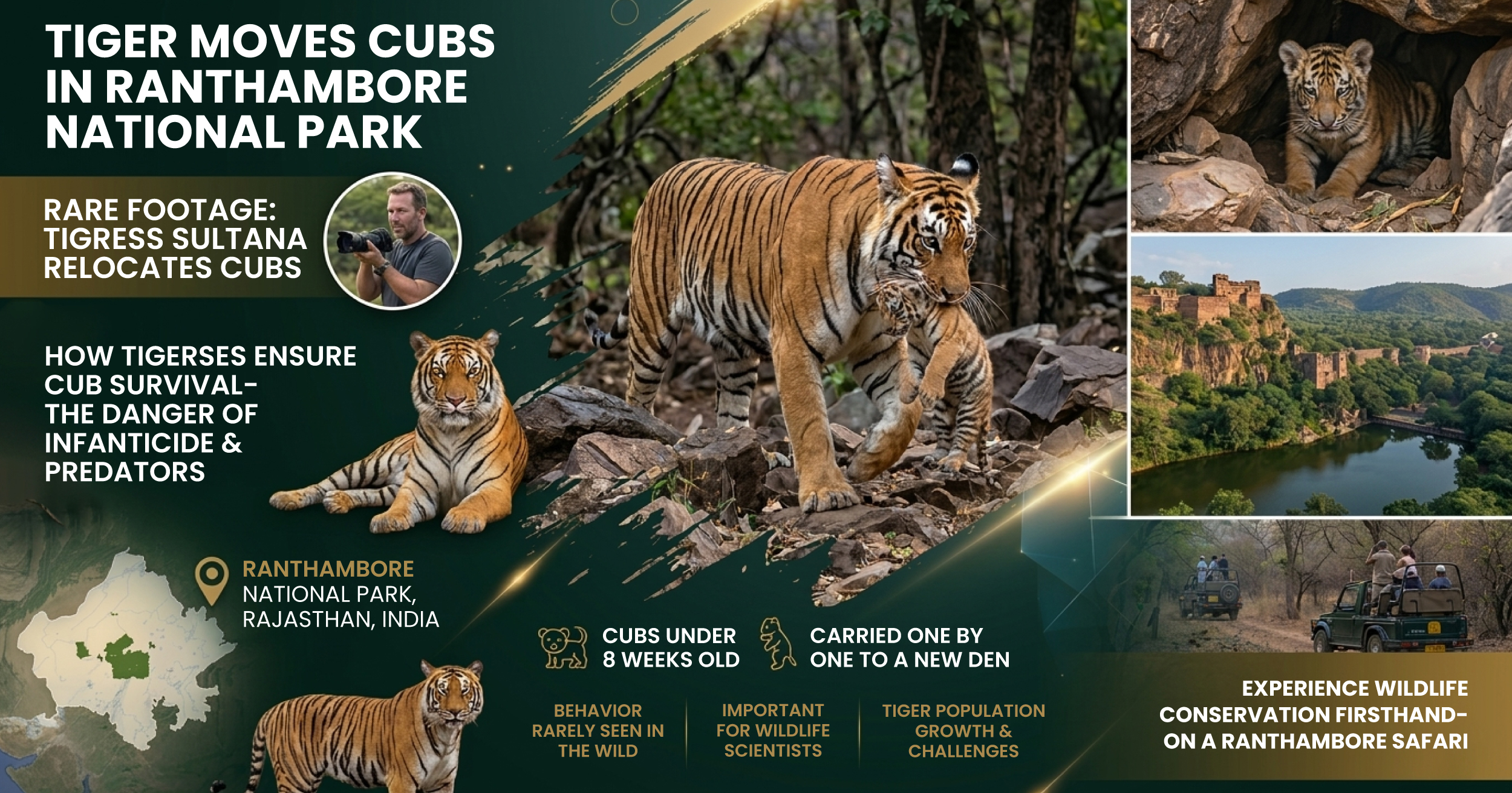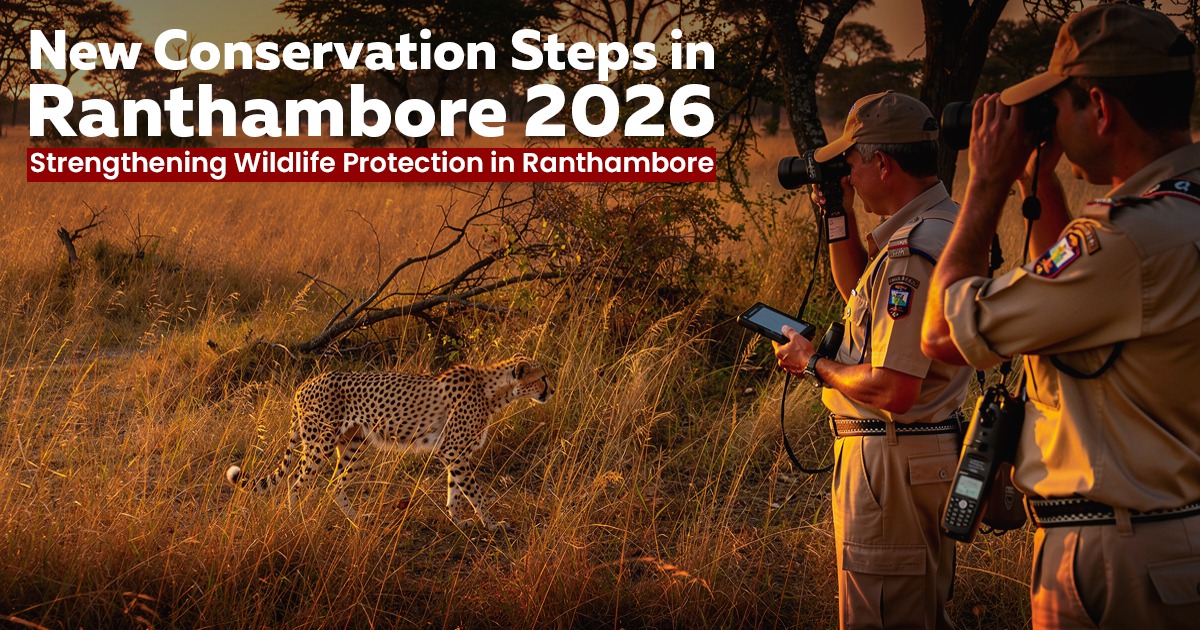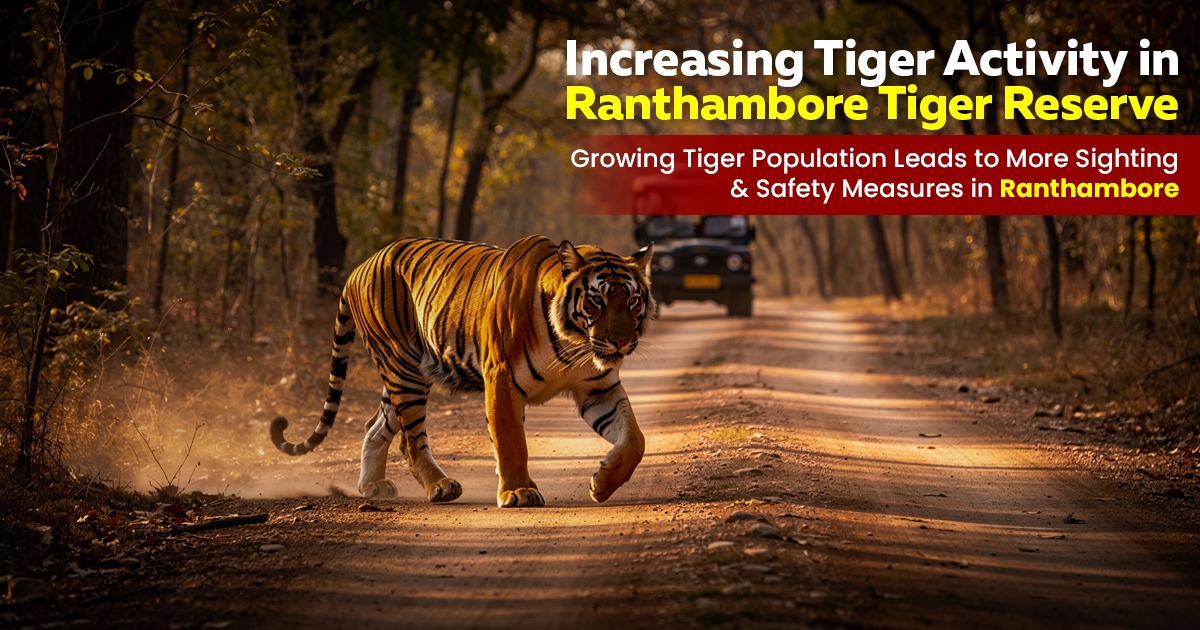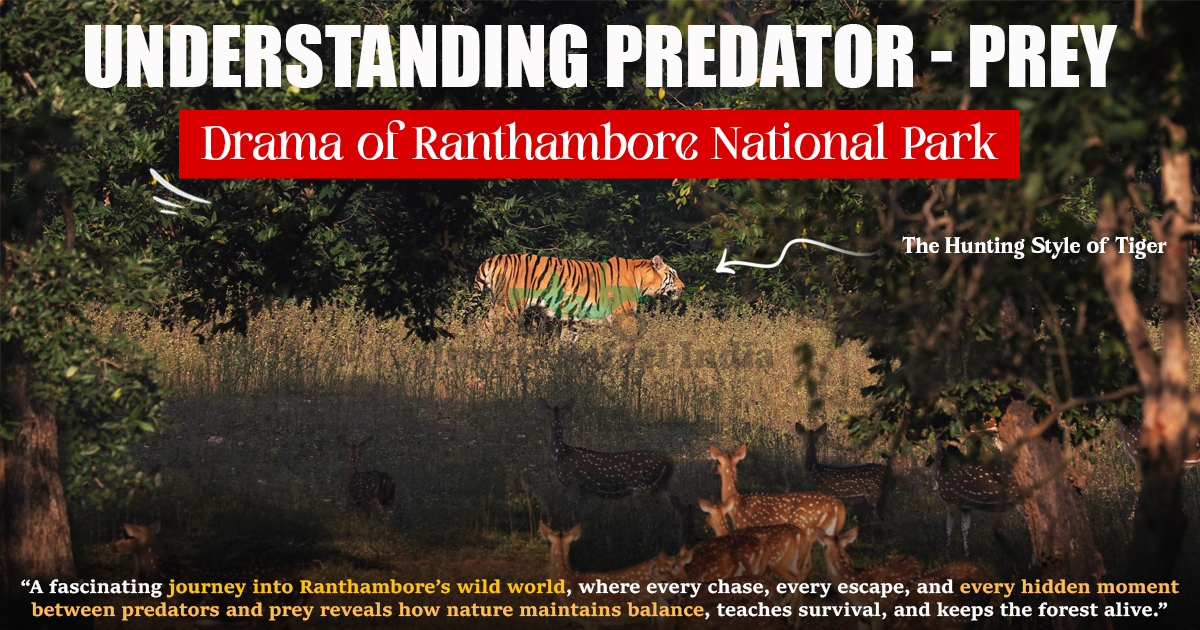
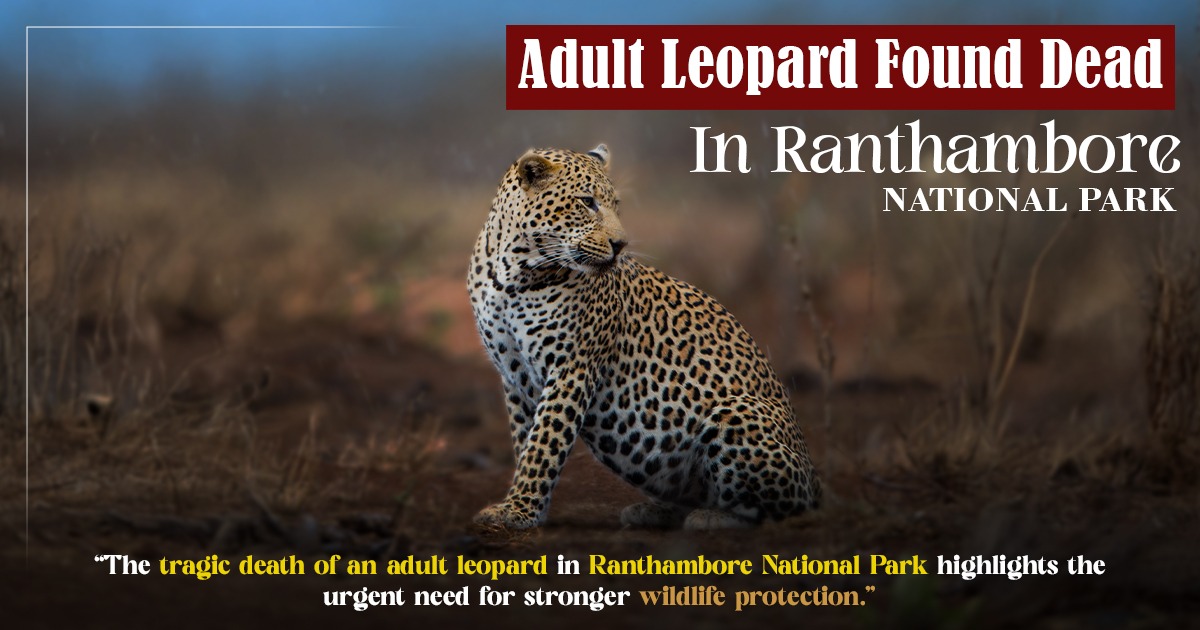
Rajasthan has recently witnessed a sorrowful event of nature. An adult male leopard was discovered dead in the area of Ranthambore National Park. This has alarmed wildlife specialists, forestry officials, and animal lovers. Ranthambore is among the best-known wildlife sanctuaries in India and is well known for its diverse wildlife, especially the great cats, namely tigers and leopards.
The incident happened in the Sawai Madhopur area, where the national park is situated. The park attracts a large number of tourists every year who come to see its wildlife, mainly tigers and leopards.
The death of any animal in a protected area is a very serious issue. The leopards are crucial for the ecosystem balance, and thus every animal death calls for a proper inquiry by the forest officials.
This unfortunate incident brings to the surface the need for wildlife conservation. Health problems or other causes could still put animals at risk even in a sanctuary such as Ranthambore. It is the responsibility of the forest department to protect wildlife by being alert at all times in the park.
Incident Location In Ranthambore National Park
The dead leopard was found in the Chhan forest area. This area is inside the protected part of Ranthambore National Park. Chhan forest has dense trees and is a common area where wild animals, including leopards and tigers, move. Forest officers found the leopard during their regular morning patrol. Patrolling is done every day inside Ranthambore National Park. These patrols help track animal movement. They also help stop illegal activities and check the condition of the forest.
zaoon as the forest staff saw the dead leopard, they informed senior forest officers. The information was shared quickly so that proper actions could be taken. The area was secured so that the body was not disturbed by humans or other animals. The Chhan forest area is not open for tourists. But it is part of the larger Ranthambore safari zone. Many animals move between the safari areas and the deeper forest areas. This makes it very important for forest officials to monitor the animals carefully.
Forest Department Action After Finding The Leopard
After getting the report, the forest department acted quickly. A trained team of forest officers went to the place where the leopard was found. Their first job was to secure the area and follow official wildlife procedures. The leopard’s body was carefully moved to the Rajbagh forest post. Forest officers followed all safety rules and wildlife guidelines while handling the body. They were careful not to damage the body because a proper post-mortem examination was needed.
Forest officials also made official reports about the incident. Every death of a wild animal in Ranthambore National Park is recorded carefully. This record helps in maintaining transparency. It also helps forest officials make better wildlife management decisions in the future. The fast action of the forest department shows that they take animal protection seriously. These actions also give confidence to tourists visiting for Ranthambore safaris and to people who support wildlife conservation.
Post-Mortem Details And Initial Findings
A post-mortem examination was done by experienced veterinary doctors. A medical team was formed to find out the cause of the leopard’s death. The examination confirmed that the leopard was an adult male. During the post-mortem, doctors checked the body for injuries. They did not find any wounds, bite marks, or signs of a fight. There were no marks that suggested the leopard had been attacked by another animal or harmed by humans.
Because there were no clear injuries, it was difficult to find the exact reason for death immediately. Forest officers said that the cause of death was not clear at this stage. They said more tests were needed to find out the reason. These detailed checks are routine in Ranthambore National Park whenever a wild animal dies. These checks help make sure there is no illegal activity or disease in the forest.
Possible Cause Of Death And Lab Testing
Based on early observations, veterinarians think that the leopard may have died because of cold shock. This is only an early opinion. It is not the final conclusion. Sudden cold weather can affect wild animals, especially if they are weak, old, or sick. During winter, the temperature in Ranthambore National Park can drop very quickly at night. Wild animals that are under stress may have a hard time surviving the cold.
To confirm the cause of death, doctors collected biological samples from the leopard’s body. These samples were sent to a laboratory for testing. The tests will check for viruses or diseases. The final report will help forest officials know if the death was natural or caused by a health problem. Until the lab report comes, forest officers are closely watching other animals in the area. Extra monitoring has been increased in the nearby zones of the Ranthambore safari area. This is to make sure no similar incidents happen.
Leopards and Wildlife in Ranthambore Safari Area
Ranthambore National Park is famous for its tigers. But the park also has a healthy number of leopards. Leopards can often be seen during the Ranthambore safaris, especially in rocky and forested zones. Leopards help control the population of smaller animals. They help keep the forest ecosystem balanced. The presence of leopards shows that the forest environment is healthy. Wildlife deaths happen naturally in forest areas. Animals may die because of old age, illness, weather conditions, or natural weakness.
Sometimes, animals may die because of fights with other animals over territory. Every animal death in Ranthambore National Park is studied carefully. This helps forest officers understand animal health trends. It also helps improve protection measures for wildlife. The recent death of the leopard is another reminder that strong conservation efforts are very important. Visitors of the Ranthambore safari are advised to follow wildlife rules. They should understand that forests are natural areas where life and death both happen. Protecting animals and their habitat should always be the main goal.